A full-time, English-speaking hire for a million won a month. Yes, really
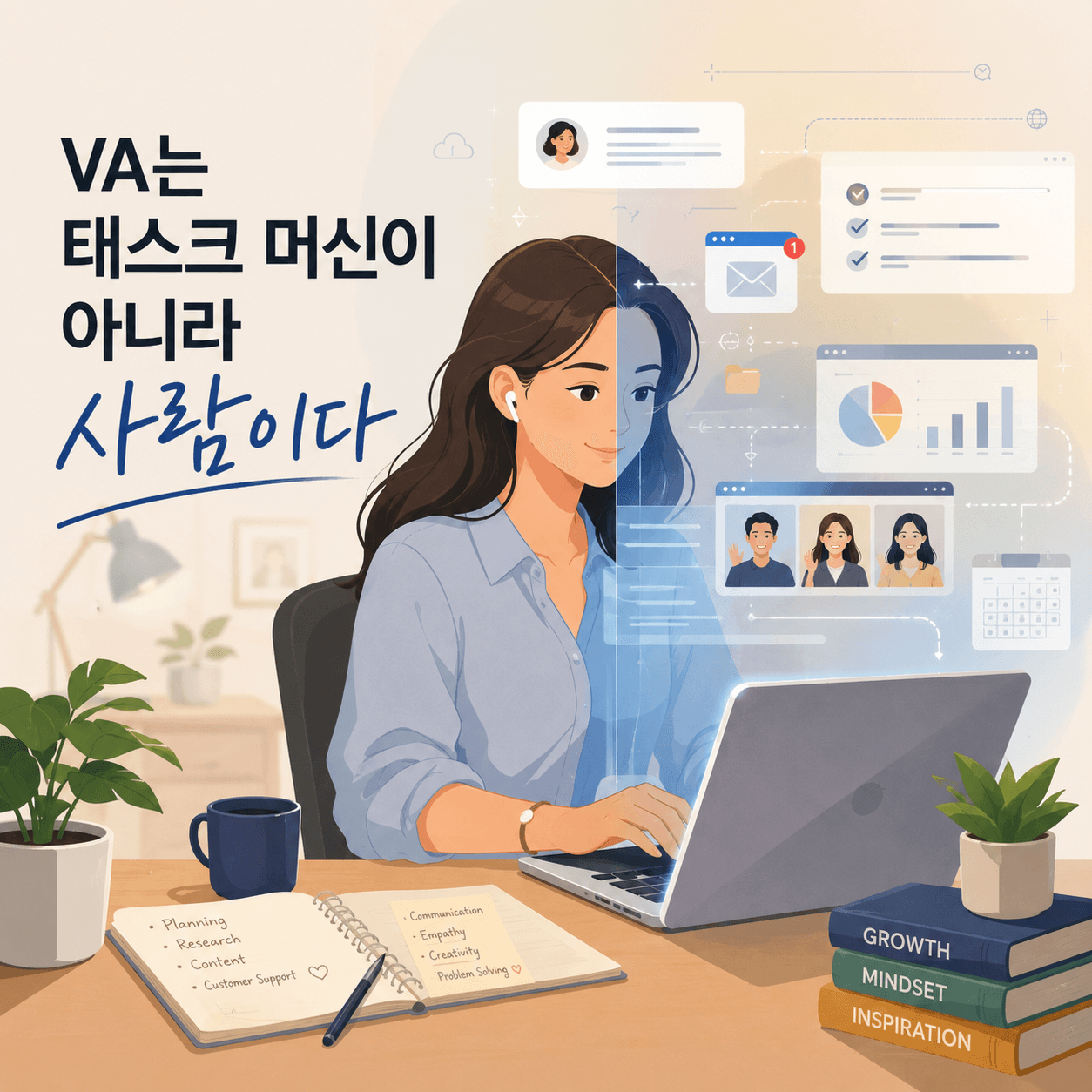
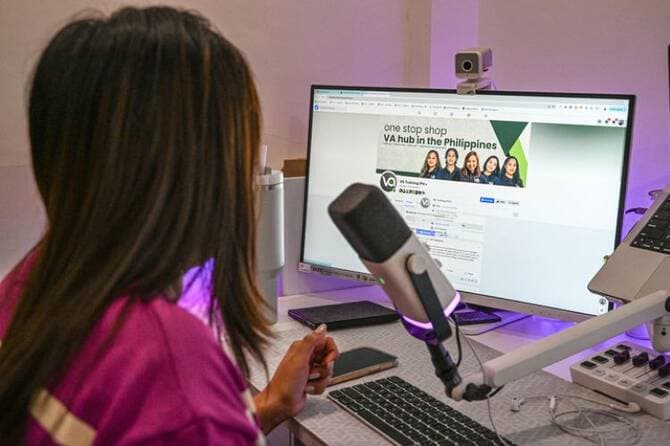
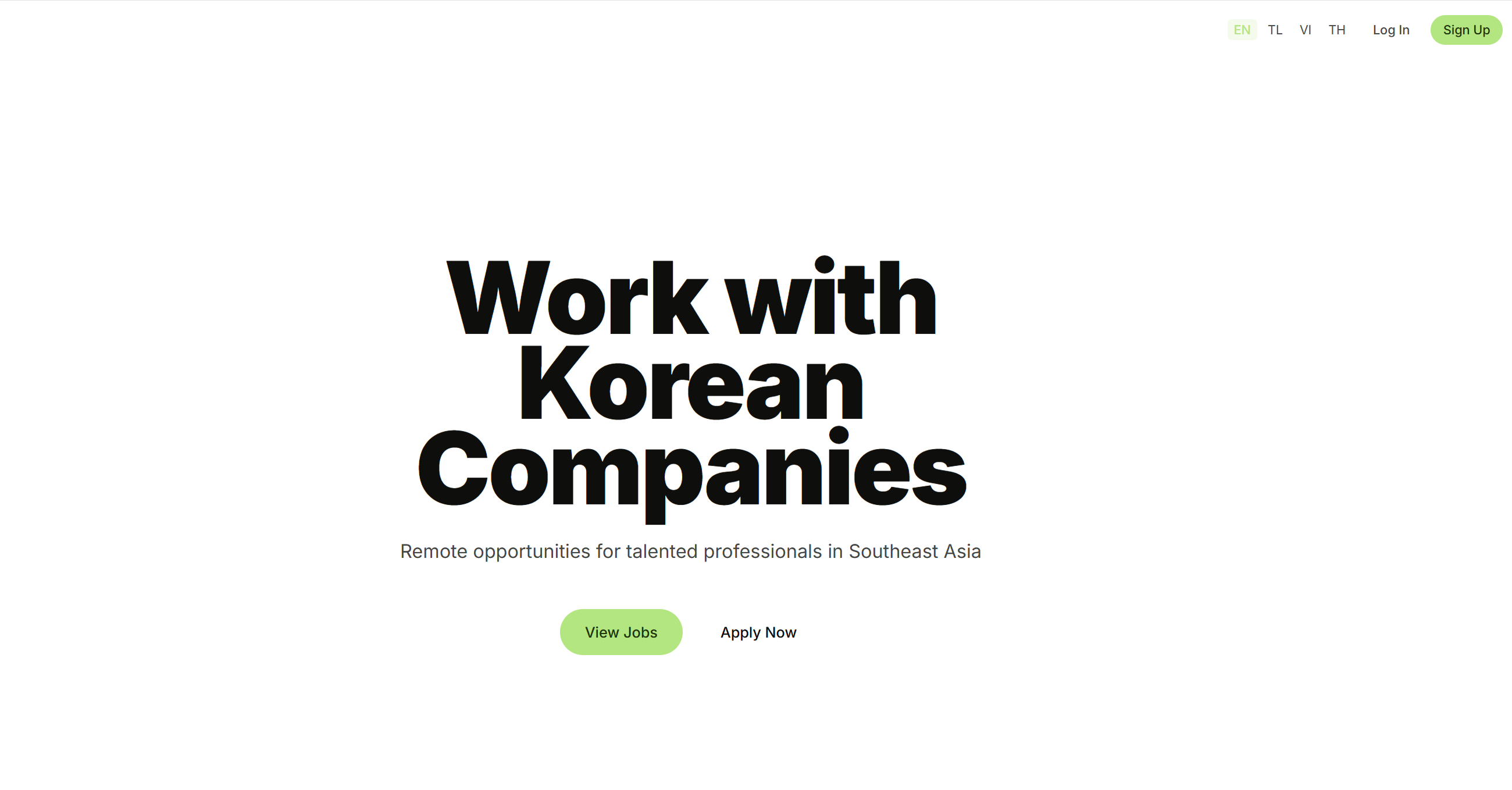
Since last October, I've been recruiting and hiring Filipino VAs (Virtual Assistants) and have personally built out the process and the platform for working with overseas talent. A VA is exactly what it sounds like a full-time employee who works remotely, online. VAs are heavily used by global companies, particularly those with overseas offices or international business operations. I'm still actively hiring in the Philippines, and we're currently building a dedicated management platform and recruitment site.
There are quite a few companies in Korea using Vietnamese workers or offering services around them but very few that focus on the Philippines as their primary talent pool. Vietnam wins on raw labor cost, but if English matters, the Philippines is the better choice.
Hiring a single employee in Korea means posting a job listing, conducting interviews, handling the four major insurances - two weeks at the fastest, often over a month. Hire them as a full-time employee and you're also on the hook for monthly insurance, taxes, and severance after one year. The minimum wage in 2026 is KRW 10,320 per hour. That puts the floor for a single full-time hire at KRW 2.15M per month, easily climbing past KRW 3M depending on experience.
In the Philippines, you can have a fluent English-speaking, full-time worker up and running in a week at roughly KRW 1.0~1.5M per month for a full 8-hour workday.
The question I get most often is, "But are they actually any good?"
Short answer: it's not just that they're good, not using them is leaving money on the table. There are a few things you need to know, though.
English really is a real advantage
English is an official language in the Philippines. For college graduates, business-level English comes naturally. Ask a Korean employee to "handle overseas customers in English" and many will hesitate. For a Filipino VA, that's the default setting. Many have extensive CS experience, and quite a few have worked in global e-commerce on platforms like Amazon or TikTok Shop. When hiring, asking for a self-introduction video gives you a clear read on their English ability. Yes, there's a distinct Filipino accent that differs from native American English, but it's genuinely not an issue. On top of that, AI tools like Claude and ChatGPT have made English-related work dramatically easier. For any company looking even slightly at overseas markets, this alone is reason enough to hire.
Time zones are less of a problem than you'd think
Korea and the Philippines are one hour apart. We essentially work in the same time zone, one of the biggest advantages of Southeast Asian talent. Even a 2–3 hour gap throws off working hours and makes real-time collaboration painful, but you don't get that here. Conversely, you can also hire VAs to work during Korea's nighttime hours. If your business deals with the US, Europe, or other time-shifted markets, there are plenty of Filipino workers happy to take the night shift.
The real challenge is management
Honestly, the hurdle with Filipino talent isn't hiring. It's managing.
The Korean default of "figure it out yourself" simply doesn't work. You need clear SOPs and checklists, and feedback needs to be specific. On the flip side, once the process is well-defined, Filipino VAs often follow it more meticulously than Korean staff would.
I had my share of communication missteps early on. Things stabilized once I built out proper SOP documents and introduced daily check-ins.
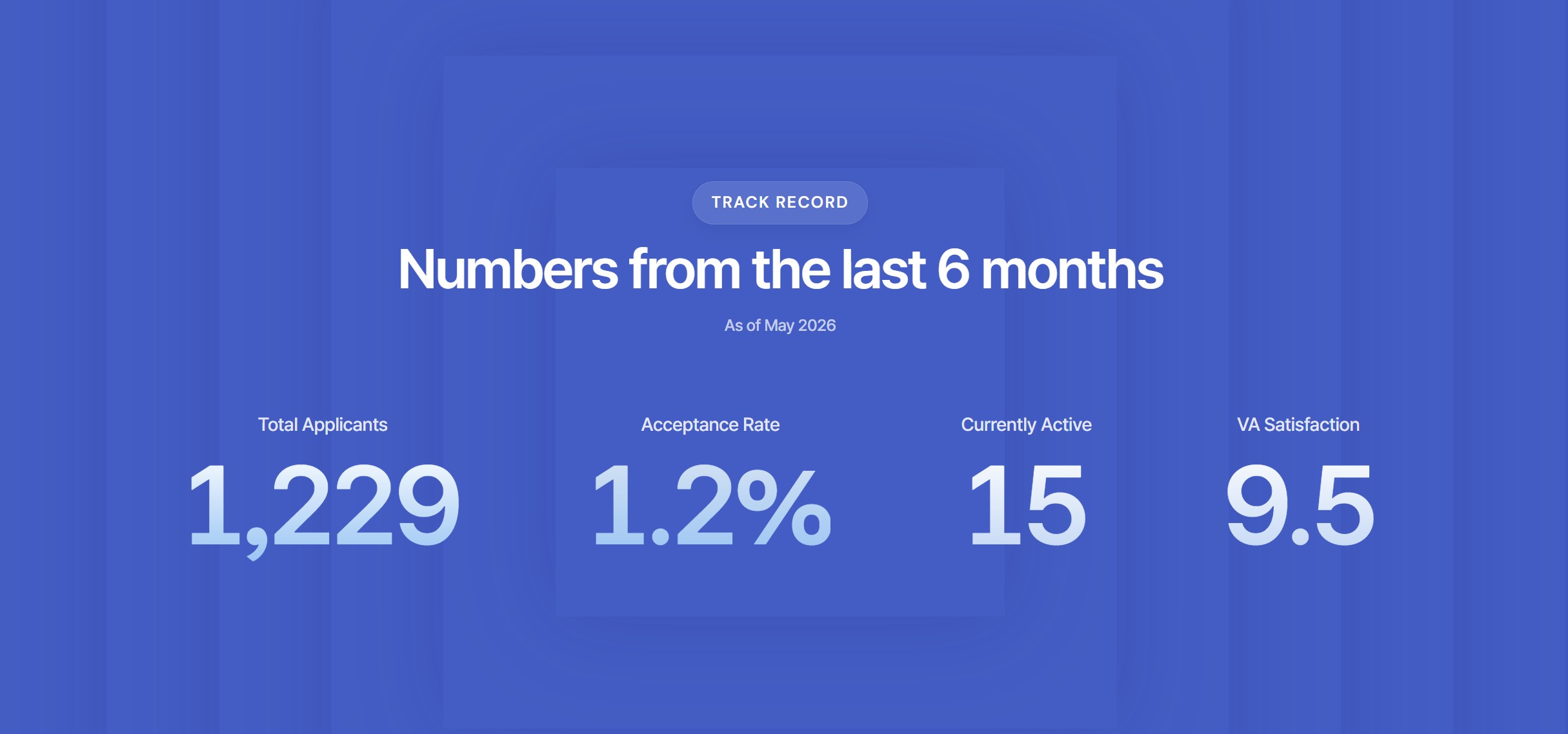
For our client companies with VAs deployed, we developed custom hiring tests and evaluation criteria tailored to the nature of their business. The right VA profile changes depending on the industry and the work, so a one-size-fits-all hiring process doesn't cut it. Customization is essential. So far, we've reviewed over 1,000 applications and hired 11. With the Philippines' population of over 100 million and a heavily young demographic, the talent pool is genuinely deep.
This isn't just cost-cutting
Approach this as "they're cheap, so use them" and you'll fail.
The point is role design: work that's hard to hire for in Korea, or work that doesn't really need to be done by Korean staff. English-language customer support, social media management, data organization, QA: hand these to Filipino VAs, and let your Korean team focus on the core.
This is especially true for teams building AI products. English-language data labeling and AI output verification are exactly the kind of work Filipino talent excels at. I'll go deeper on this in the next post. I've spent over six months now helping run various workflows with Filipino VAs and operating services around them, and I plan to keep documenting what I've learned along the way.
If you're thinking "I need to cut labor costs and build out a global business" or "If you're thinking "I want to work with Filipino talent, but where do I even start?", keep an eye on the posts to come. Inquiries are always welcome.
Curious about working with Filipino VAs? Reach out anytime.